
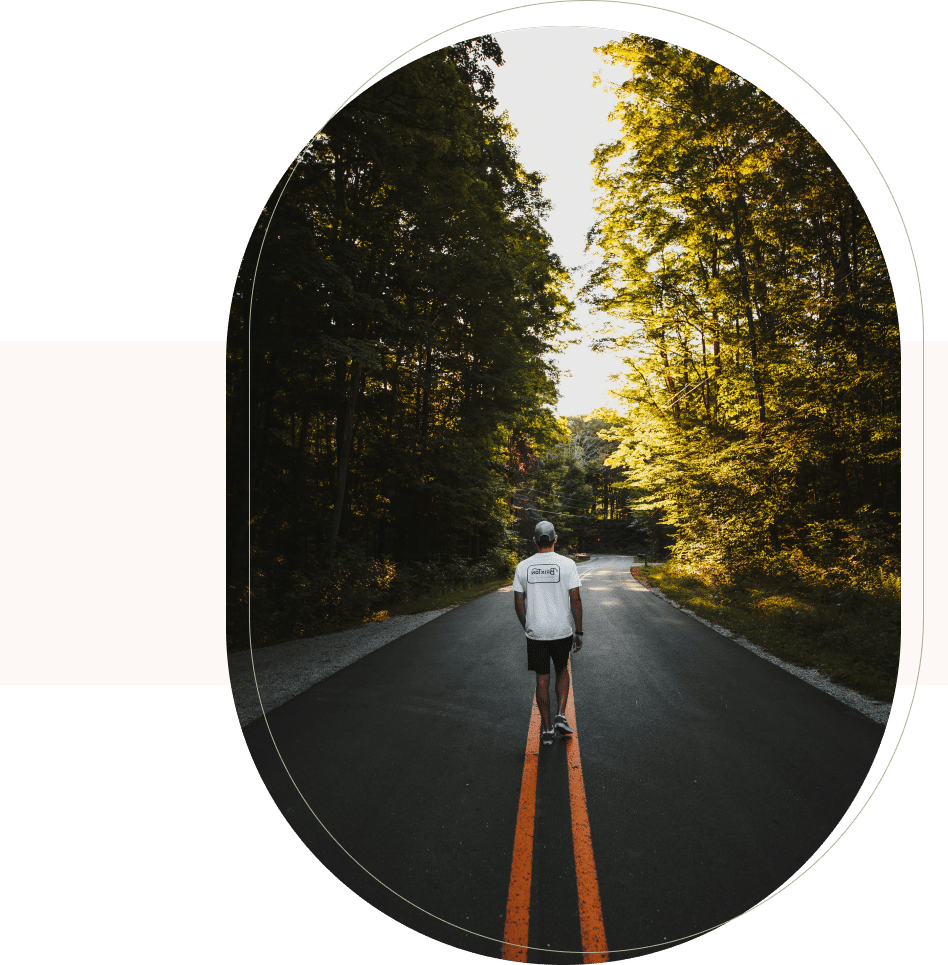
I help people who feel stuck.
The balance I aim for is simple: first, you need to feel seen, respected, and safe. I don’t expect anyone to believe in change until they feel genuinely understood.
That’s why I’ll often ask directly: “Do you feel like I understand you as a person, or your past well enough at this point?” If the answer is no, we stay with that. If the answer is yes, then we begin the work of change.
Once that foundation is solid, we start using practical tools to create real movement.
With individuals, I use CBT — a straightforward, evidence-based approach to identifying unhelpful thoughts, shifting behavior, and regaining a sense of control. With families, it’s enactment: instead of analyzing the dynamic, we practice new ways of relating together in real time, right there in the room.
Go slow to go fast
The balance I aim for is simple: first, you need to feel seen, respected, and safe. I don’t expect anyone to believe in change until they feel genuinely understood.
That’s why I’ll often ask directly: “Do you feel like I understand you as a person, or your past well enough at this point?” If the answer is no, we stay with that. If the answer is yes, then we begin the work of change.
Once that foundation is solid, we start using practical tools to create real movement.
With individuals, I use CBT — a straightforward, evidence-based approach to identifying unhelpful thoughts, shifting behavior, and regaining a sense of control. With families, it’s enactment: instead of analyzing the dynamic, we practice new ways of relating together in real time, right there in the room.
Endless talking is how people end up in therapy for years, wondering why nothing changes. If you really want to regain control of your life, you need to do something different.

I had a terrible experience with family therapy as a teenager.
I hated every second of it. I didn’t feel understood. I didn’t feel supported. I felt ganged up on — like there were three parents in the room, and I was the problem. If you had told me then that I’d grow up to be a family therapist, I would’ve laughed you out of the room.
Over time, though, my perspective shifted. Life got tough in early adulthood, and I eventually found a therapist who did help me. That experience changed everything.
I realized I wanted to become the kind of therapist I wish I’d had — someone who listens, earns your trust, and helps you make real, lasting change.
I also came into the field the long way around. I nearly failed out of college — until I took a psychology class, got an A, and realized this wasn’t just something I could pass. It was something I was meant to do. I’ve been doing the work ever since.
Wherever you are, I can meet you there
I’ve worked full-time in mental health since 2005, and it’s the only field I’ve ever been in. My experience is continuous — from juvenile detention to hospitals, schools, university, community-based programs, and now private practice. I’ve sat with people in high-intensity situations, and I don’t get rattled. However you show up, I can meet you there.
I also don’t think therapy has to happen in a quiet office with a couch. I’ve done sessions in taquerias, on sidewalks, walking around the block, even shooting hoops at the park. I’m flexible, especially when the traditional format doesn’t work for you or your kid. What matters most is that the work gets done, in a way that fits who you are.
I understand that therapy is an investment — of time, money, and trust. My goal is always to make it worth it. That means therapy that’s efficient, focused, and full of tools you can take with you for life.
1 Schedule a consultation
2 Begin Therapy
3 Ongoing Support
4 Ending
We are ready to end once you feel “condent enough” in practicing methods outside of session to reach your goals. You’ve seen measurable progress toward your goals, and things are looking better.
Let's Get Started